

The “Sulphite Myth” and the Real Reason We Drink Wine
Your official wine certification sheet arrived, and you survived the chemistry jargon. You already know your Total Acidity from your Residual Sugar. But there is one number on that sheet that still makes people a little nervous: Total SO₂.
Let’s talk about sulphites.
Somewhere along the line, sulphites became the ultimate villains of the wine world. They get blamed for everything from the dreaded “wine headache” to next-day brain fog. But it is time to clear their name. Sulphites aren’t the baddies. In fact, they are the unsung heroes keeping your favorite bottle delicious.
The Dried Apricot Reality Check
If you are worried about the 94 mg/l of sulphites in a cool-climate Pinot Noir, it is time for a trip to the snack aisle.
Sulphites are natural preservatives. They are so good at their job that they are used in tons of everyday foods. A handful of dried apricots can contain up to ten times more sulphites than a glass of red wine. If you can eat a packet of dried fruit, a bowl of french fries, or a salad from a supermarket bar without a reaction, your body handles sulphites just fine.
Even better? Sulphites are a natural byproduct of fermentation. That means “sulphite-free wine” doesn’t actually exist. Even if a winemaker adds absolutely zero sulfur, the yeast makes its own during the magic of fermentation.
The Wine Bodyguard
Think of sulphites as the ultimate bodyguard for your bottle. Wine is alive, delicate, and sensitive. Without a tiny bit of SO₂, exposure to oxygen would turn that elegant, red-fruit-forward Pinot Noir into expensive salad vinegar before it even reaches your glass.
Sulphites step in to lock in the fresh aromas, keep wild bacteria at bay, and ensure the wine tastes exactly as the winemaker intended. It is not about filling the wine with chemicals; it is about protecting the artistry in the bottle.
Wine’s True Purpose: The Dinner Table
So, if sulphites aren’t the cause of the infamous wine headache, what is?
Most scientists point toward histamines, tannins, or, let’s be honest, simply not drinking enough water between glasses.
Because wine was never meant to be chugged in a rush to get drunk.
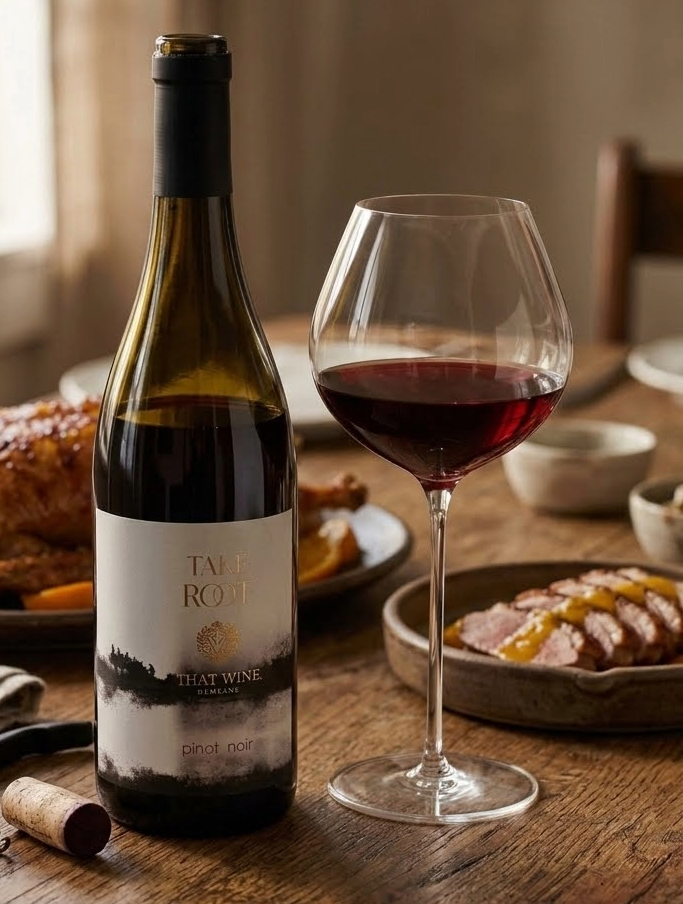
Wine is built for the table. It is designed to be paired with food, conversation, and slow afternoons. When you match a high-acid, elegant Pinot Noir with a beautiful meal, something magical happens. The wine cuts through the richness of the food, and the food brings out hidden spice and fruit notes in the wine. They elevate each other.
The Beauty of Conscious Drinking
There is a massive shift happening toward conscious drinking. It is the art of slowing down and appreciating what is in your glass rather than focusing on the alcohol percentage.
Conscious drinking means noticing how the wine hits your tongue. It is about laughing with friends over a shared platter, tasting the care that went into the farming, and using wine to enhance the culinary experience—not blur it.
The next time you pop a cork, don’t fear the science on the back label. Salute the tiny helper keeping your wine fresh, pour a glass alongside a great meal, and savour every single sip.